The Hidden Cost of Financial Uncertainty: How Money Stress Fuels Everyday Anxiety
Financial uncertainty is one of the most common sources of stress for adults today. Whether it's rising living expenses, job instability, debt, or concerns about retirement, money worries can affect far more than your bank account. For many people, financial stress becomes a daily source of anxiety that impacts their emotional well-being, relationships, and overall quality of life.
Money represents more than income and expenses. It is often tied to feelings of security, freedom, and self-worth. When financial stability feels threatened, the brain may interpret the situation as a danger, triggering the body's stress response. Over time, chronic financial worry can lead to difficulty sleeping, irritability, trouble concentrating, and feelings of overwhelm. This is anxiety.
Many people find themselves constantly thinking about bills, unexpected expenses, or whether they are saving enough for the future. Even when there is no immediate financial crisis, uncertainty about what might happen next can create ongoing mental and emotional strain.
Financial stress doesn't just affect individuals—it can also impact relationships. Money is one of the most common topics of conflict among couples. Partners may have different spending habits, financial priorities, or comfort levels with risk. When financial pressure increases, communication often becomes more difficult. Small disagreements can quickly escalate into larger arguments fueled by fear and uncertainty.
A marriage and family therapist frequently sees how money concerns contribute to relationship tension. In many cases, the issue is not simply the numbers in a bank account but the emotions attached to them. Fear, shame, frustration, and anxiety can make it difficult for couples to work together toward solutions.
Financial anxiety can also influence decision-making. Some people avoid reviewing their finances because it feels too stressful. Others may engage in emotional spending to temporarily reduce uncomfortable feelings. While these reactions are understandable, they often create additional financial challenges and reinforce the cycle of stress and anxiety. They make the problem worse.
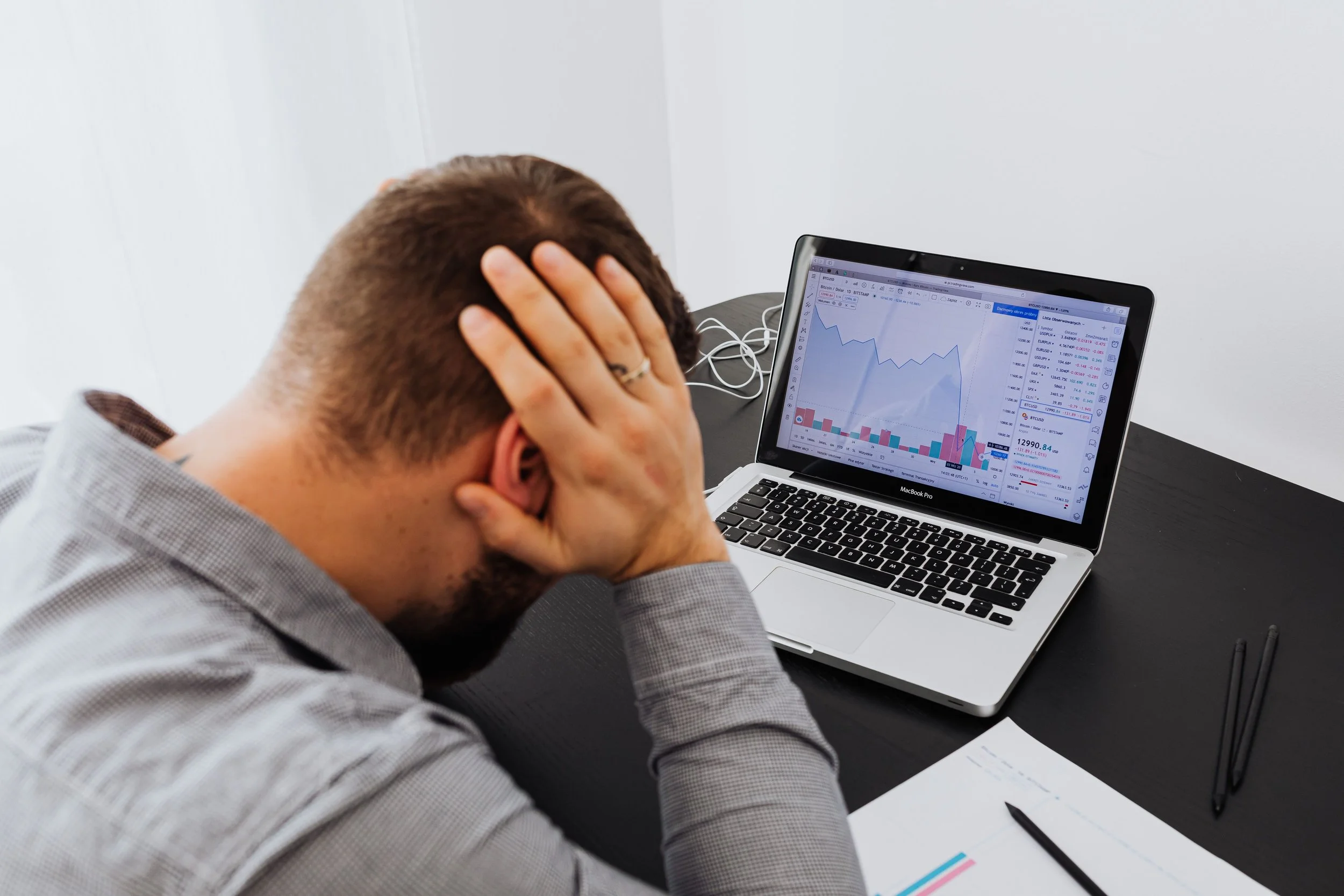
This is where therapy can make a meaningful difference. Therapy provides a supportive environment where individuals and couples can explore the emotional side of money concerns. Rather than focusing solely on financial strategies, therapy helps people understand the beliefs, fears, and thought patterns that contribute to financial stress.
Through counseling, clients can learn healthier ways to manage anxiety, improve communication around money, and develop coping skills that promote emotional resilience. Therapy can also help identify long-standing beliefs about money that may have developed during childhood and continue to influence financial decisions in adulthood.
While financial uncertainty is a normal part of life, it does not have to control your mental health. Building emotional awareness, practicing healthy coping strategies, and seeking professional support can help reduce anxiety and create a greater sense of confidence and stability.
If money stress is affecting your daily life or relationships, working with a marriage and family therapist can provide valuable tools for managing both the practical and emotional challenges that financial uncertainty brings. With the right support, it is possible to develop a healthier relationship with money and experience greater peace of mind, even during uncertain times.